This machine is designed and manufactured in accordance with CNS6263-11. Its purpose is to simulate the dynamic durability of the wheels and the body of a scooter or roller skates when moving on the r ...
This machine is designed and manufactured in accordance with CNS6263-11. Its purpose is to simulate the dynamic durability of the wheels and the body of a scooter or roller skates when moving on the road (it can also be used to test other types of products), providing a reliable basis for improving the quality of dynamic durability. The machine operates by the motor driving the sprocket to move, thereby rotating the drum, and by adjusting the motor speed to change the speed of the drum to achieve the testing purpose.
Core functional modules
Core Functions
Full-scenario Dynamic Testing
Load Simulation: Maximum load (50~150kg), slope (0~30°), and speed (0~40km/h) can be set to simulate various riding conditions.
Durability Testing: Continuous operation for ≥1000 hours to test the fatigue life of frame, wheels, bearings, and other components.
Brake Performance Testing: Record braking distance, brake pad temperature rise, and braking force decay curve to ensure compliance with safety standards.
Intelligent Control and Monitoring
Dynamic Resistance Adjustment: Simulate wind resistance, road friction, and other variables through electromagnetic/hydraulic systems to precisely control test loads.
Multi-parameter Data Collection: Real-time monitoring of motor speed, torque, battery voltage/temperature, and vehicle body vibration to generate performance reports.
Fault Warning: AI algorithms identify abnormal vibrations, current fluctuations, or temperature overlimits, automatically stop the machine and mark the fault points.
Safety and Compliance Verification
Electrical Safety Testing: Integrated insulation resistance, overcharge/overdischarge protection, and short circuit testing functions, meeting UL 2272 and EN 17128 standards.
Structural Strength Testing: Validate the vehicle body's resistance to deformation through impact tests (such as drops and compressions).
Core technologies and configurations
| Item | Parameter Range |
|---|---|
| Drum Diameter | 320 mm |
| Number of Impact Blocks | 2 pcs |
| Timer | 0 – 999999 hours, with second/minute/hour conversion and power-off memory function |
| Speedometer | Touch screen display, conveyor speed displayed in km/h |
| Machine Dimensions (L×W×H) | 2050×1100×2100 mm |
| Weight | Approx. 500 KG including weights |
| Dual Drums | Adjustable drum spacing: 650 – 1050 mm |
| Weight | 100 KG |
| Drum Obstacles | 2 pcs of 5 mm height obstacles |
| Functions | Climbing performance test available;Real-time monitoring of range, speed and obstacle crossing count |
| Movement | Equipped with Forma casters at the bottom for easy moving |
Product advantages
Technical Highlights
High-precision dual drum system: Drum diameter 200~500mm (customizable), surface coated with anti-slip coating, speed control accuracy ±0.1km/h.
Modular design: Supports quick replacement of drums and fixtures, suitable for different wheel diameters (4~12 inches) of scooters.
Energy recovery technology: The electrical energy generated by the motor during testing is fed back to the power grid, with an energy-saving rate of ≥60%.
Safety protection: Fully enclosed protective cover, emergency stop button, overload protection, in compliance with ISO 13849 safety standards.
Equipment Advantages
High efficiency and accuracy: Dual-station synchronous testing, efficiency increased by 200%, data repeatability error < ±1%.
Strong compatibility: Suitable for electric/non-electric scooters, balance bikes, skateboards and other products.
Cost optimization: Early exposure of design defects, reducing recall risks and after-sales costs.
Standard compliance: Built-in test programs meet the requirements of international standards such as ISO 4210 and EN 14619.
Application scenarios and industry value
Production quality inspection: Batch durability and safety performance screening of electric scooters before leaving the factory.
Research and development verification: Performance comparison tests of new motors, batteries or frame materials.
Certification testing: Compulsory testing items for domestic and international safety certifications such as CE, UL, and GB/T 17761.
After-sales analysis: Performance retesting and defect location of faulty vehicles returned to the factory.
After-sales service
Warranty Policy: Most manufacturers offer a one-year full machine warranty, and support remote fault diagnosis and operation training.
Customization Service: Customization based on requirements, including custom fixtures and software functions according to test standards (such as JIS/CNS) to meet special needs.
After-sales Service: One-year full machine warranty, providing operation training and remote technical support.
Data Service: Optional cloud data platform for generating CNAS-compliant test reports remotely.
Technical Support: Free remote debugging, operation training, and annual equipment calibration services.
Spares Supply: Quick replacement service for consumable parts (fixtures, hydraulic seals).
Ordering Process
Requirement Communication: Provide test standards and relevant parameters.
Solution Confirmation: Supplier provides 3D drawings and parameter lists.
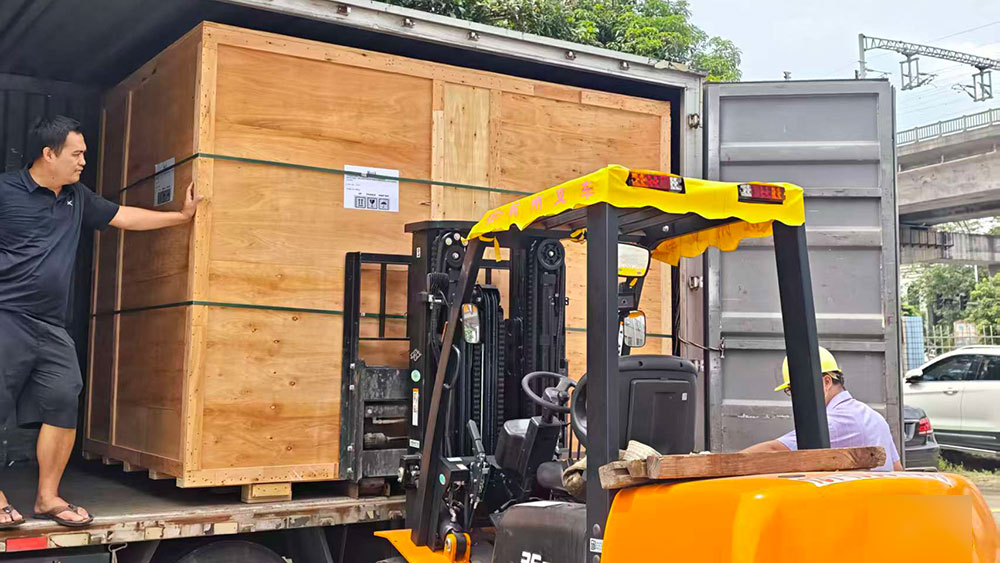
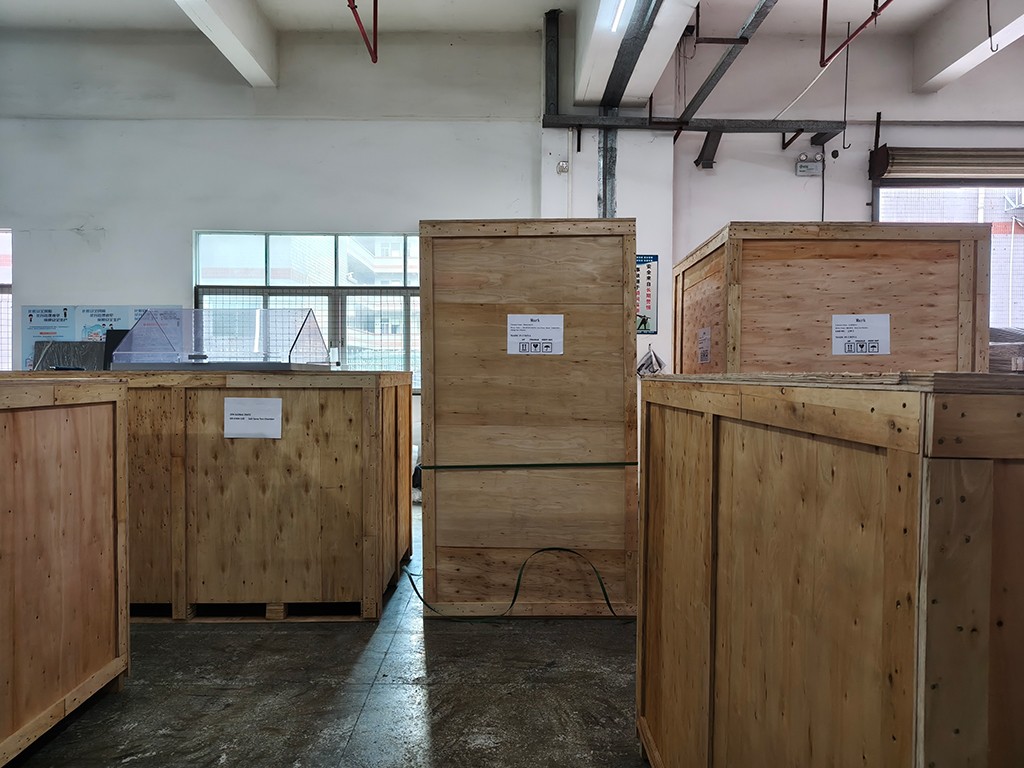
Production and Delivery: 15-20 days for standard models, 30-45 days for non-standard customized models.
Acceptance and Training: Engineers install and debug on-site and provide on-site training.