The dual-station unicycle aging test system is an intelligent parallel aging detection device specifically designed for electric unicycles (balance wheels, self-balancing scooters). By simulating long ...
The dual-station unicycle aging test system is an intelligent parallel aging detection device specifically designed for electric unicycles (balance wheels, self-balancing scooters). By simulating long-term high-load operation, temperature and humidity cycles, and dynamic impact scenarios, it simultaneously conducts accelerated aging tests on two unicycles to comprehensively verify their battery life, motor stability, control board reliability, and structural durability. This system is widely used in manufacturing, R&D laboratories, and certification institutions to ensure that products comply with international safety standards such as UL 2272, EN 15194, and GB/T 36676, thereby reducing user safety risks caused by aging failure.
Application scope
Used for unicycle aging tests
Core functional modules
Dual-station parallel aging test
Independent control stations: Two stations operate independently, allowing for the setting of different aging parameters (load, temperature, operation mode) without interference.
Dynamic load simulation: The motor loading system simulates riding resistance (torque range 0~50N·m), supporting the reproduction of uphill, acceleration, and bumpy road conditions.
Environmental coupling accelerated aging
Temperature and humidity cycle test:
1. Temperature range -20℃~+70℃, humidity 10%~95% RH, to verify battery high-temperature degradation and low-temperature start-up performance.
2. Supports day-night temperature difference cycles (e.g., 25℃↔55℃, with ≥100 cycles).
Vibration and shock test: Random vibration (5~200Hz, acceleration 5g) simulates long-term bumpy road damage to internal components.
Intelligent monitoring and diagnosis
Real-time multi-parameter collection:
1. Electrical parameters: Battery voltage/temperature, motor current, controller efficiency (accuracy ±0.5% FS).
2. Mechanical parameters: Hub speed (0~2000rpm), vibration spectrum, housing deformation (laser distance measurement ±0.1mm).
Fault warning and recording:
1. AI algorithm identifies anomalies (such as battery overvoltage, motor overheating), automatically stops the machine and generates a fault report.
2. Data cloud storage, supporting MES system integration and batch traceability.
Core technologies and configurations
| Item | Parameter Range |
|---|---|
| Magnetic Powder Loading Force | 0–150 N·m adjustable |
| Number of Test Stations | 2 stations (independent control, expandable to 4 stations) |
| Temperature Control Range | -20℃ ~ +70℃ (accuracy ±1℃) |
| Torque Range | 0~50 N·m (expandable to 100 N·m) |
| Wheel Hub Speed Range | 0~2000 rpm (accuracy ±0.1%) |
| Data Sampling Frequency | 1000 Hz (dynamic parameters) / 100 Hz (full parameters) |
| Overall Dimensions | 2150×1200×1870 mm |
| Ramp Plate | 1300×800 mm (L×W) |
| Power Supply | AC 220 V, 15 A, 4 kW |
| Functions | Aging timer with user prompt when time is up;Pneumatic cylinder pressing for vehicle fixing, providing 75–120 kg force |
Product advantages
Technical Highlights
High-precision loading system: Closed-loop control with servo motor and torque sensor, torque resolution of 0.01 N·m, response time ≤ 5ms.
Modular design:
1. Quick fixture change (compatible with 8 to 16-inch wheel diameters), compatible with unicycles, balance wheels, and electric scooters.
2. Optional salt spray corrosion module (ASTM B117), dust and water resistance test (IP67).
Safety protection:
1. Independent overcurrent/overvoltage/over-temperature protection, emergency stop button, compliant with ISO 13849 mechanical safety standards.
2. Fully enclosed protective cabin + explosion-proof observation window, ensuring the safety of test personnel.
Energy-efficient and high-performance: Energy feedback technology recovers 30% of the energy during testing, standby power consumption < 200W.
Equipment Advantages
High efficiency and accuracy:
1. Dual-station synchronous testing, efficiency increased by 100%, 72-hour aging equivalent to 3 months of actual use.
2. Data repeatability error < ±0.5%, supports automatic sorting of defective products (optional mechanical arm).
Flexible compatibility:
1. Compatible with various power types including lead-acid batteries, lithium batteries, and lithium iron phosphate batteries.
2. Independent maintenance for each station, failure of one station does not affect the operation of the other.
Cost optimization:
1. Reduces manual intervention by 70%, reduces test energy consumption by 40%.
2. Early exposure of design defects, reduces after-sales repair rate by more than 50%.
Standard compliance: Built-in UL 2272 and GB/T 36676 test procedures, one-click generation of certification reports.
Application scenarios and industry value
Production quality inspection: Batch aging tests for unicycles before leaving the factory to screen out potential hazards such as battery capacity decline and motor abnormal noise.
Research and development verification: Optimization of battery thermal management, motor heat dissipation design, and stability of control algorithms.
Certification testing: Compulsory testing items such as UL 2272 electrical safety and EN 15194 durability.
After-sales analysis: Reproduction and improvement of defects such as sudden drop in battery life and motor stoppage reported by users.
After-sales Service
Warranty Policy: Most manufacturers offer a one-year full machine warranty, supporting remote fault diagnosis and operation training.
Customization Service: Customization based on requirements, including custom fixtures and software functions according to testing standards (such as JIS/CNS) to meet special needs.
After-sales Service: One-year full machine warranty, providing operation training and remote technical support.
Data Service: Optional cloud data platform for generating CNAS-compliant test reports remotely.
Technical Support: Free remote debugging, operation training, and annual equipment calibration services.
Spares Supply: Quick replacement service for consumable parts (fixtures, hydraulic seals).
Ordering Process
Requirement Communication: Provide test standards and relevant parameters.
Plan Confirmation: The supplier provides 3D drawings and parameter lists.
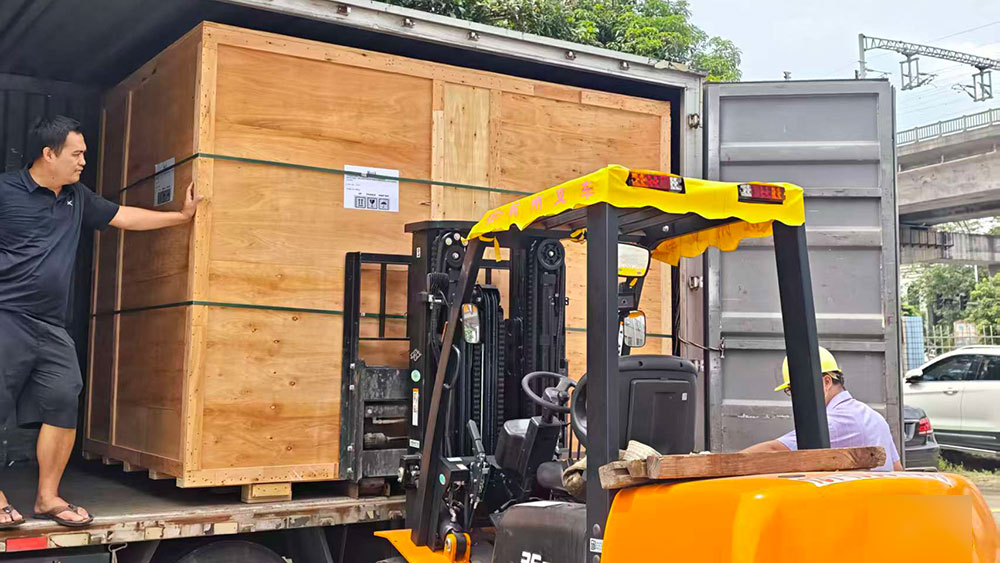
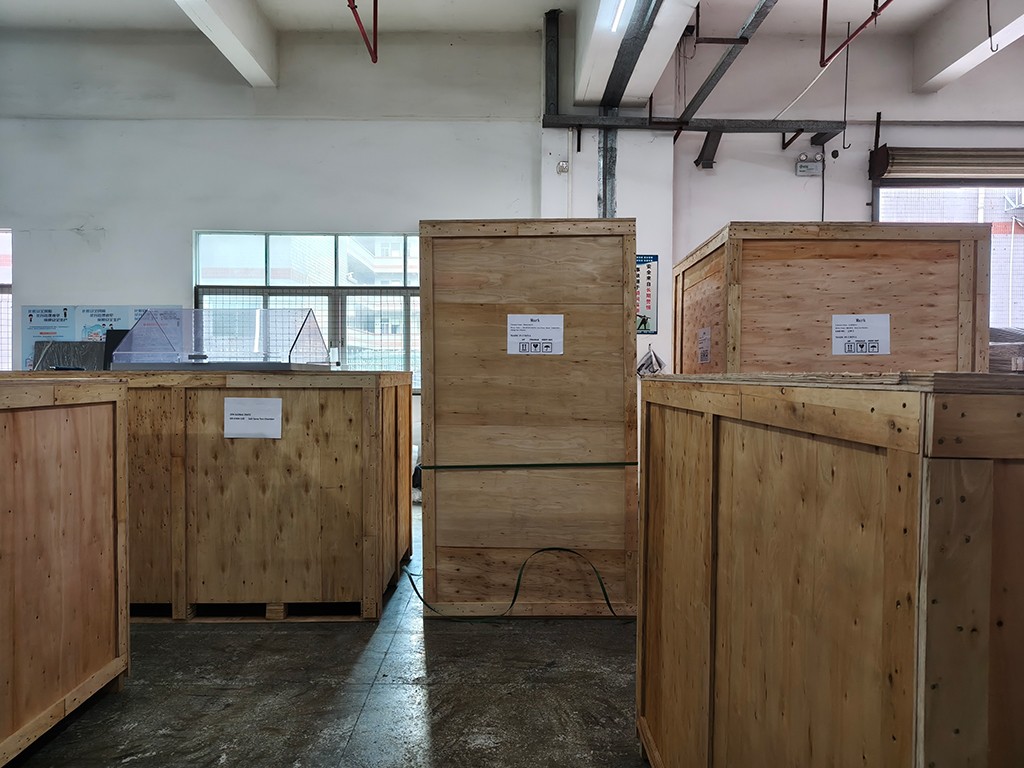
Production and Delivery: 15-20 days for standard models, 30-45 days for non-standard custom models.
Acceptance and Training: Engineers will install and debug on-site and provide training.