It is used for the aging of electric motorcycles and can perform tests such as "maximum speed test", "road driving test", "acceleration performance test", "chassis dynamometer driving test", "constant ...
It is used for the aging of electric motorcycles and can perform tests such as "maximum speed test", "road driving test", "acceleration performance test", "chassis dynamometer driving test", "constant speed climbing test", "constant slope climbing test", "100 km acceleration test", "maximum speed test", "high power test", "range test", "100 km power consumption test", etc. It complies with the standards of GB/T 17761-2018 "Safety Technical Specifications for Electric Bicycles", ISO4210.7, and EN 15194-2017.
Core Technologies and Functions Core functions
1. Vehicle Dynamic Performance Testing
Speed and Range Verification: Supports precise speed adjustment from 0 to 16 km/h, simulates flat road and uphill/downhill scenarios, and records real-time parameters such as maximum speed and constant-speed range, with an error rate of ≤±1%.
Braking Safety Inspection: Equipped with dry and wet state dual-mode testing, measures braking distance and handlebar force feedback under no-load and load conditions, in compliance with EN14764 and GB/T24157 standards.
Battery System Evaluation: Simultaneously monitors battery voltage, current, and power curves, supports cycle charging and discharging tests and capacity decay analysis.
2. Durability and Reliability Testing
Vibration and Fatigue Life Testing: Simulates motorcycle-level road conditions through 1.3 million high-intensity vibration cycles to test the mechanical strength and fatigue life of the frame, wheels, and other components.
Multi-Dimensional Load Simulation: Supports torque loading from 0 to 1000 kg·cm, and can set multi-stage cycle programs to verify the stability of the motor's continuous output.
Typical application scenarios Application scenarios
1. Quality control at the production end
Mandatory pre-delivery inspection items: braking performance, frame vibration intensity, battery charging and discharging stability
Batch testing efficiency: Some models support multi-station parallel testing (for example, the daily inspection capacity of the vibration test bench in Dongguan Zhengjie is ≥ 50 units)
2. Technical optimization at the R&D end
Power system calibration: Analyze the matching degree of the motor and transmission system through the torque-speed curve
Intelligent function verification: Support tests for intelligent control logics such as OTA upgrade simulation and side stand power-off protection
3. Certification and compliance testing
International standards coverage: EN14764 (EU), FMVSS (US), and national standards certification
Essential for export enterprises: Provide bilingual (Chinese and English) test report templates to meet the market access requirements of global markets
Technical parameters
| Item | Specification |
|---|---|
| Torque Sensor Capacity | 0–2000 N·m |
| Torque Sensor Nonlinearity | ±0.1% – ±0.3% (F·S) |
| Torque Sensor Repeatability | ±0.1% – ±0.2% (F·S) |
| Torque Sensor Accuracy | ±0.2% – ±0.5% (F·S) |
| Torque Sensor Ambient Temperature | -10℃ – 50℃ |
| Operating Air Pressure | ≥ 0.5 MPa |
| Torque Sensor Frequency Response | 100 μs |
| Output Voltage | 0–48 V, Load Current < 20 A |
| Force Sensor | 200 kg, 50 kg |
| Riding Speed | 0–180 km/h (measurable) |
| Distance Measurement Accuracy | ≤ 1% |
| Speed Measurement Accuracy | ≤ 2% |
| Roller Distance | 530 mm |
| Loading Method | Rear axle loading |
| Driving Method | Bottom bracket driving |
| Clamping Method | Pneumatic clamping |
| Control of Power-off Brake Lever | Pneumatic automatic control |
After-sales service
Data Service: An optional cloud data platform is available for generating test reports that comply with CNAS standards remotely. Technical Support: Free remote debugging, operation training and annual equipment calibration services are provided. Spare Parts Supply: Quick replacement services for consumable parts (fixtures, hydraulic seals) are offered.
Ordering Process
Requirement Communication: Provide test standards and relevant parameters.
Plan Confirmation: The supplier provides 3D drawings and parameter lists.
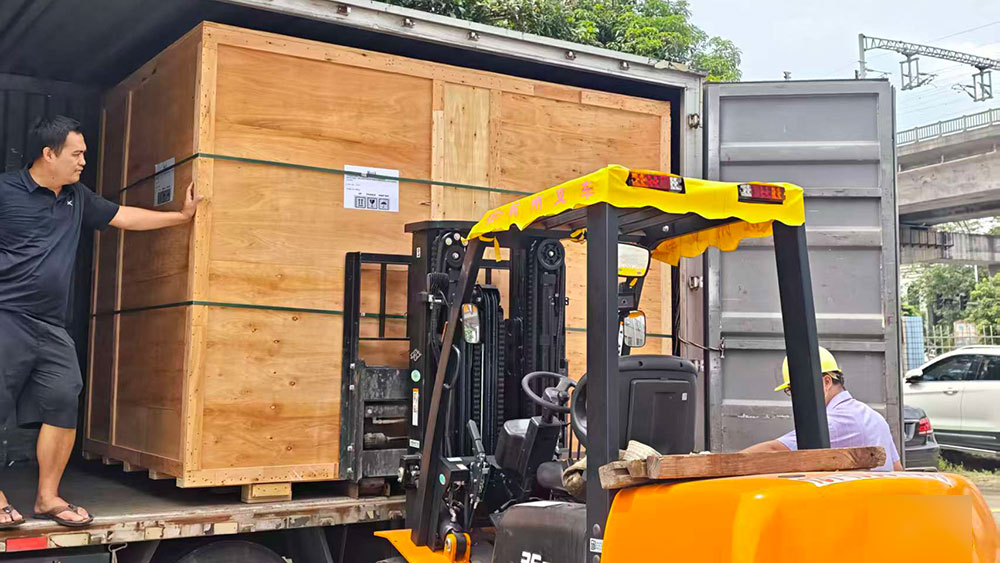
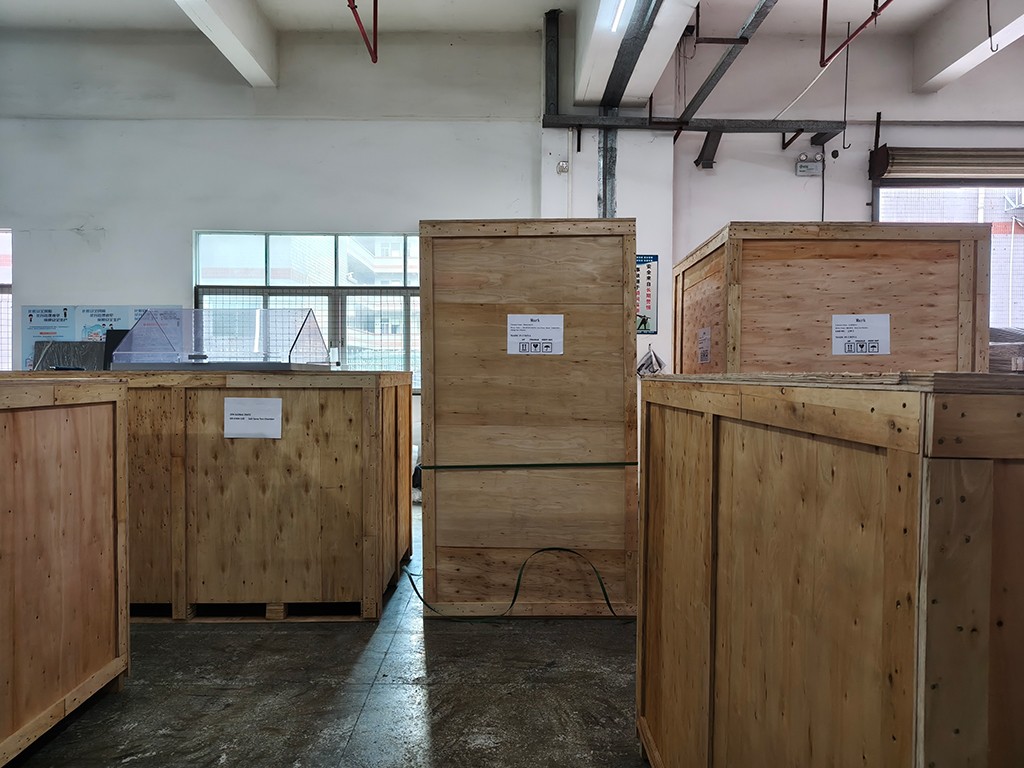
Production and Delivery: 15-20 days for standard models, 30-45 days for non-standard custom models.
Acceptance and Training: Engineers will install and debug on-site and provide on-site training.