The power-assisted bicycle production line test bench is used to simulate human riding and road conditions, providing the power for human riding. It is an automated detection device specifically desig ...
The power-assisted bicycle production line test bench is used to simulate human riding and road conditions, providing the power for human riding. It is an automated detection device specifically designed for electric power-assisted bicycles (such as mid-drive and hub motor models), used to verify the overall performance of the vehicle, the matching of the power system, and safety compliance.
Core Functions
Power Performance and Energy Efficiency Testing
1. Motor Parameter Detection: Supports real-time monitoring of input/output power, torque (0-200 N·m), and rotational speed (0-6000 rpm) for mid-mounted and hub motors. Simulates riding load through a servo motor to generate torque-speed curves.
2. Assist Ratio Calculation: Combines pedal force sensor (0-1000 N) and motor output data to verify the dynamic response and efficiency of the assist system, in compliance with GB 17761-2018 standards.
Whole Vehicle Road Condition Simulation
1. Drum Test System: Dual drums with diameters ranging from 560 to 760 mm, adjustable center distance (500-1500 mm), and equipped with obstacle blocks to simulate bumpy roads, suitable for EN 14764, EN 14766, and other standards.
2. Dynamic Load Control: Simulates uphill and flat road resistance through a magnetic powder brake (0-25 N·m resistance) or servo motor to test range and energy consumption (electricity consumption ≤ 1.2 kWh per 100 km).
Safety and Brake Testing
1. Dry/Wet Brake Testing: Applies braking force (0-500 N) through a cylinder pushing a weight to measure stopping distance (≤ 4 m in dry conditions), deceleration, and braking coordination time.
2. Emergency Stop Protection: Infrared sensors monitor vehicle deviation in real time and trigger emergency stop protection to ensure test safety.
Technical parameters:
| Parameter | Specification |
|---|---|
| Torque Range | 0 ±5 N·m to ±200 N·m |
| Torque Output | 5-15 kHz / 0±10 V |
| Speed Output | 60 pulses/rev, 4-20 mA (remote version) |
| Speed Range | 0-6000 rpm |
| Measurement Accuracy | 0.1%, 0.25%, 0.5% |
| Response Frequency | 6 μs / 500 μs |
| Power Supply | 24 VDC |
| Overload Capacity | 150% |
| Zero Drift | < 0.5% |
| Data Acquisition | Dual-stage torque sensor (accuracy ±0.2%), CAN bus communication, supports simultaneous data curve display on industrial PC (P4 processor) and 17" touchscreen |
| Test Station | Single-station design, compatible with frame dimensions ≤1800 × 400 × 1200 mm |
| Power Supply & Consumption | 380V/50Hz, 5-8 kW |
| Compliant Standards | GB 17761-2018, ASTM 2641-2008, EN 14764 |
Industry Applications and Certification Adaptation
1. Production Line Quality Inspection
Batch verification of the compatibility between motors and batteries, reducing issues such as delayed power assistance response and overheating, and lowering the return rate.
Output of data certified by ISO 17025, supporting the generation of compliance reports for export to the European Union (CE) and the United States (FCC).
2. R&D Optimization
Compare the efficiency differences between permanent magnet synchronous motors and AC asynchronous motors, and optimize the transmission system design (such as gear ratio adjustment).
Simulate extreme conditions (such as continuous uphill driving) to verify the welding strength of the frame and the reliability of the thermal management system.
3. Third-Party Certification
Provide standardized testing procedures for testing institutions, covering all tests including electrical safety (withstand voltage test) and mechanical life (0-999,999 cycles).
Related Services
1.Warranty Policy: Most manufacturers offer a one-year full machine warranty, supporting remote fault diagnosis and operation training.
2.Customization Services: Customization based on requirements, including custom fixtures and software functions according to testing standards (such as JIS/CNS) to meet special needs.
3.After-sales Service: One-year full machine warranty, providing operation training and remote technical support.
4.Data Services: Optional cloud data platform for generating CNAS-compliant test reports remotely.
5.Technical Support: Free remote debugging, operation training, and annual equipment calibration services.
6.Spares Supply: Quick replacement service for consumable parts (fixtures, hydraulic seals).
Ordering Process:
1.Requirement Communication: Provide test standards and relevant parameters.
2.Plan Confirmation: The supplier provides drawings and parameter lists.
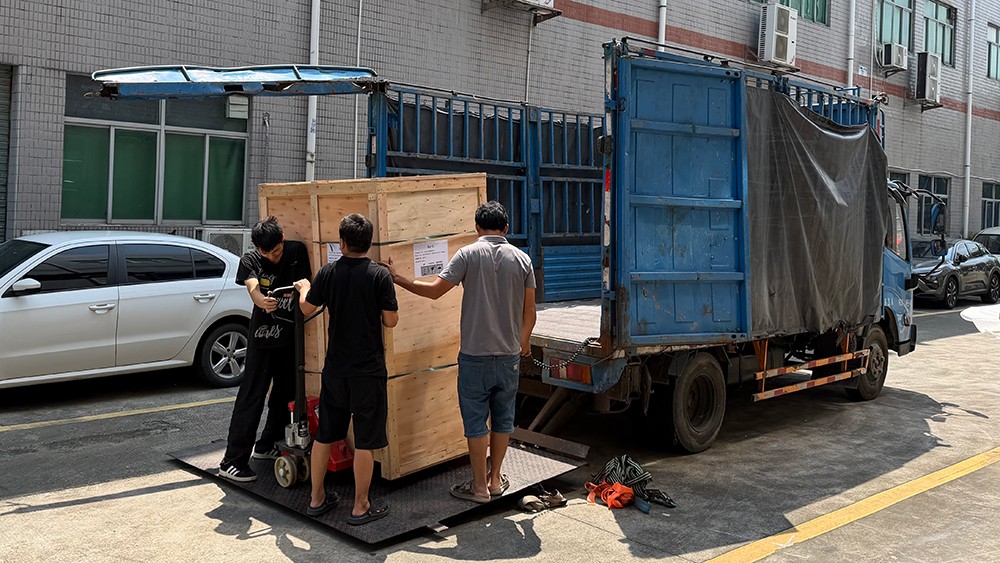
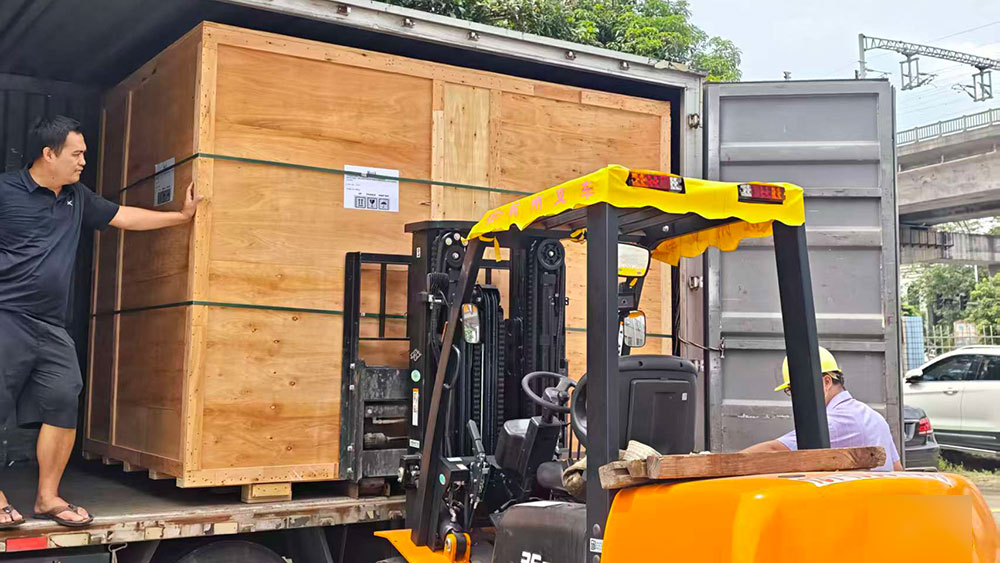
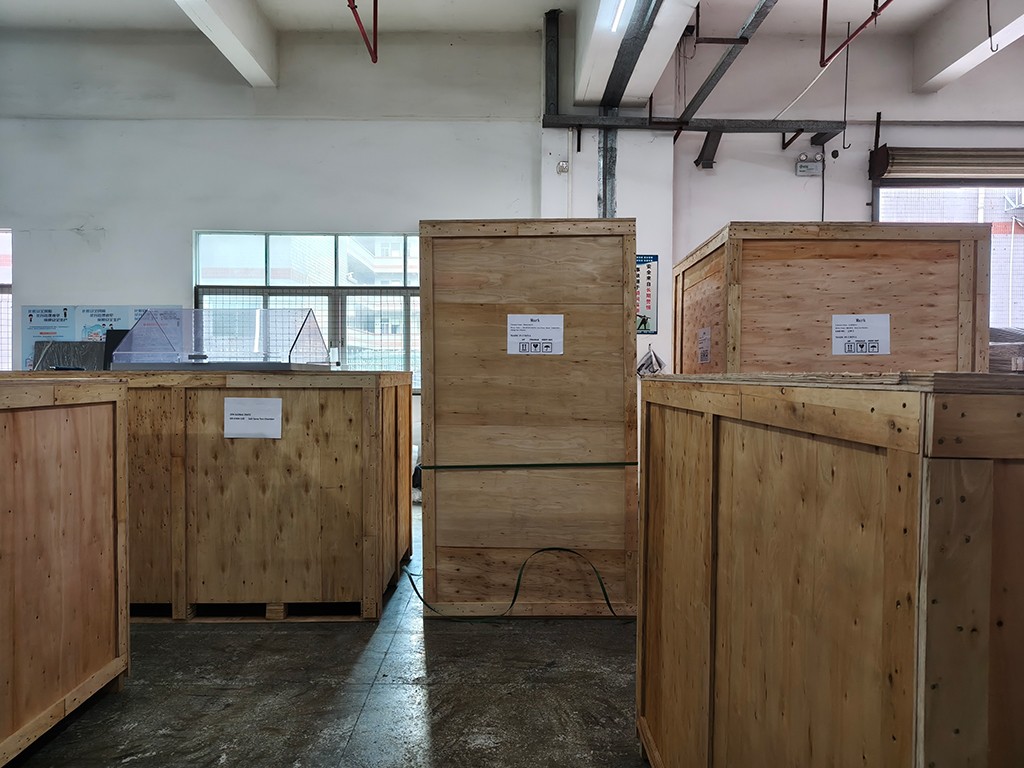
3.Production and Delivery: 15-20 days for standard models, 30-45 days for non-standard custom models.
4.Acceptance and Training: Engineers install and debug on-site and provide on-site training.