The steering mechanism test machine is a comprehensive performance testing device specifically designed for the steering systems of motorcycles, bicycles, scooters and other vehicles. By simulating th ...
The steering mechanism test machine is a comprehensive performance testing device specifically designed for the steering systems of motorcycles, bicycles, scooters and other vehicles. By simulating the steering load, vibration shock and high-frequency usage scenarios in real driving, it comprehensively assesses the torque accuracy, self-centering performance, fatigue life, clearance stability and abnormal noise of the steering mechanism. This equipment is widely used in automotive parts manufacturing, vehicle assembly lines, R&D laboratories and quality inspection centers to ensure that products comply with international safety standards such as ISO 26262, GB/T 14172 and SAE J1100, providing scientific guarantees for the safety and reliability of the steering system. It is used to simulate the fatigue test of the scooter's rotating components driving the handlebar to rotate.
Core functional modules
Core Functions
1. The testing force can be adjusted through the cylinder.
2. The number of tests can be set.
3. Customizable high-torque destructive testing machines are available.
4. It can determine whether the stop device of the tested product is qualified.
Dynamic Steering Performance Testing
Steering Torque Detection: Real-time measurement of steering force (range 0~50N·m, accuracy ±0.5% FS), generating torque-angle curves to verify the control sensitivity.
Self-centering Performance Verification: Simulate the process of releasing the steering wheel and returning to center, detecting the self-centering speed, residual angle, and damping attenuation characteristics.
Fatigue Life and Durability Testing
High-frequency Oscillation Testing: Set the steering frequency (1~10Hz), with a cycle count of ≥500,000 times, to simulate wear and fatigue during long-term use.
Vibration and Shock Simulation: Superimpose random vibration (5~50Hz, acceleration 5g) and mechanical shock (20g, half-sine wave) to detect structural loosening or abnormal sounds.
Intelligent Diagnosis and Quality Control
Abnormal Sound Detection: Acoustic sensors capture friction and collision noises from the steering mechanism, and AI algorithms identify abnormal sound patterns.
Data Traceability: Automatically generate PDF reports (including torque fluctuation graphs and life prediction data).
Core technologies and configurations
| Item | Parameter Range |
|---|---|
| Torque Measuring Range | 0~50 N·m (expandable to 100 N·m) |
| Steering Angle Range | ±180° (customizable to ±360°) |
| Test Frequency | 1~10 Hz (sine wave / random wave) |
| Vibration Acceleration | 5 g (random) / 20 g (shock) |
| Data Sampling Frequency | 500 Hz (torque / angle) / 10 kHz (acoustic) |
| Air Supply | 0~0.7 MPa |
| Power Supply | 220 V, 1 A |
| Overall Dimensions (LWH) | 1900×1100×1900 mm |
Product Advantages
Technical Highlights
High-precision sensing technology: Non-contact torque sensor (accuracy ±0.2%), photoelectric encoder (angle resolution 0.1°), ensuring data authority.
Modular design: Quick fixture replacement (compatible with T-shaped rods, folding, and fixed steering mechanisms), suitable for 4 to 12-inch wheel diameter scooters.
Safety protection: Overload protection, emergency stop, and safety shield photoelectric interlock, meeting ISO 13849 mechanical safety standards.
Energy-efficient and high-performance: Servo motor energy feedback technology, standby power consumption < 200W, overall energy savings of 25%.
Equipment Advantages
High efficiency and accuracy: Single test cycle ≤ 2 minutes, data repeatability error < ±1%.
Comprehensive coverage: Supports static strength testing, dynamic fatigue loading, and vibration and shock simulation.
Cost optimization: Early exposure of design flaws, reducing after-sales maintenance costs and brand risks.
Standard compliance: Built-in test procedures such as EN 14619 and CPSC 16 CFR Part 1500, directly generating certification reports.
Application scenarios and industry value
Production quality inspection: Screening of torque consistency and abnormal noise detection of steering mechanisms before leaving the factory.
Research and development verification: Optimization of locking force of folding mechanisms, bearing lubrication schemes, and material durability.
Certification testing: Mandatory steering safety tests in CE, UL, CPSC and other certifications.
After-sales analysis: Defect reproduction and improvement verification of steering jamming and abnormal noise problems reported by users.
After-sales Service
Warranty Policy: Most manufacturers offer a one-year full machine warranty, supporting remote fault diagnosis and operation training.
Customization Service: Customization based on requirements, including custom fixtures and software functions according to testing standards (such as JIS/CNS) to meet special needs.
After-sales Service: One-year full machine warranty, providing operation training and remote technical support.
Data Service: Optional cloud data platform for generating CNAS-compliant test reports remotely.
Technical Support: Free remote debugging, operation training, and annual equipment calibration services.
Spares Supply: Quick replacement service for consumable parts (fixtures, hydraulic seals).
Ordering Process
Requirement Communication: Provide test standards and relevant parameters.
Plan Confirmation: The supplier provides 3D drawings and parameter lists.
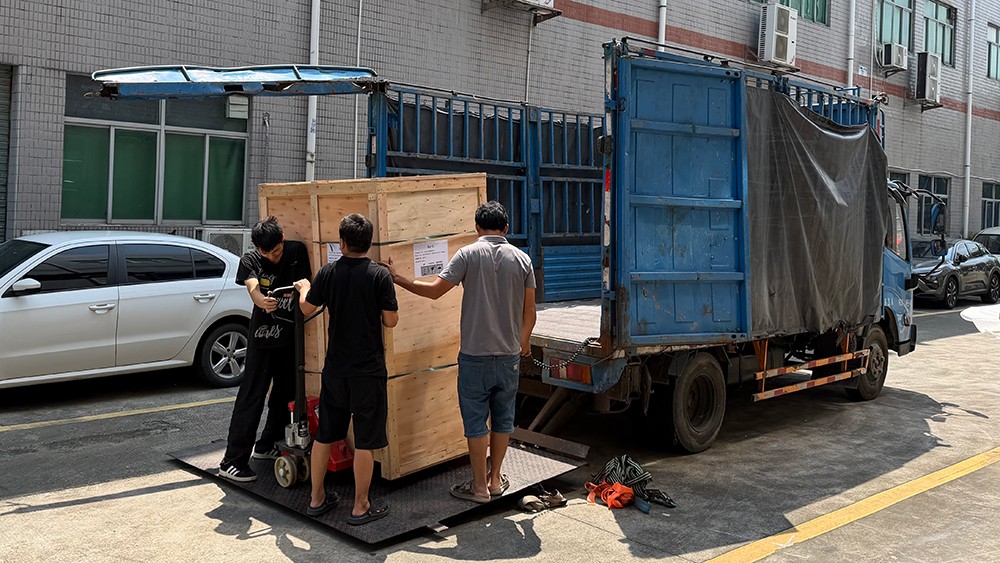
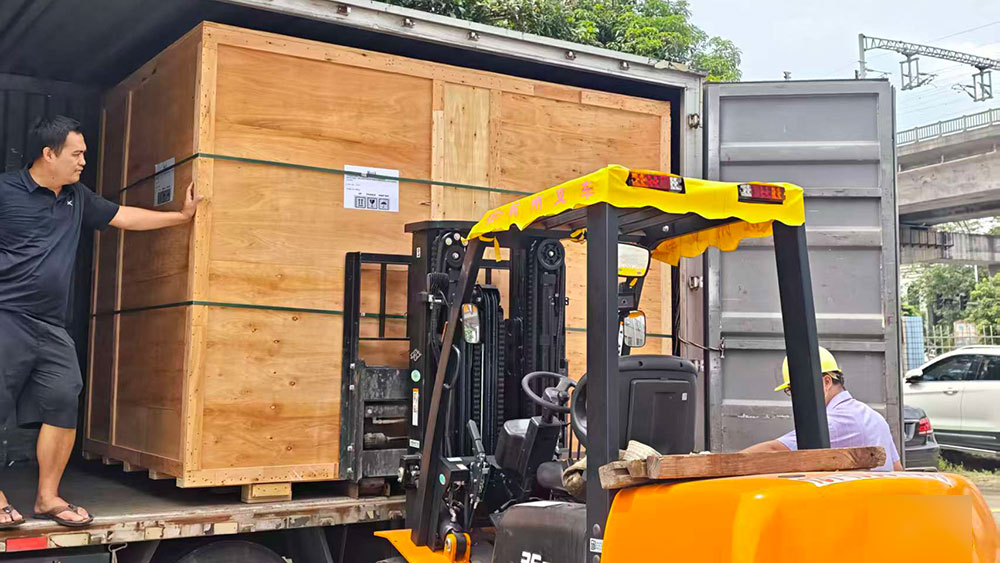
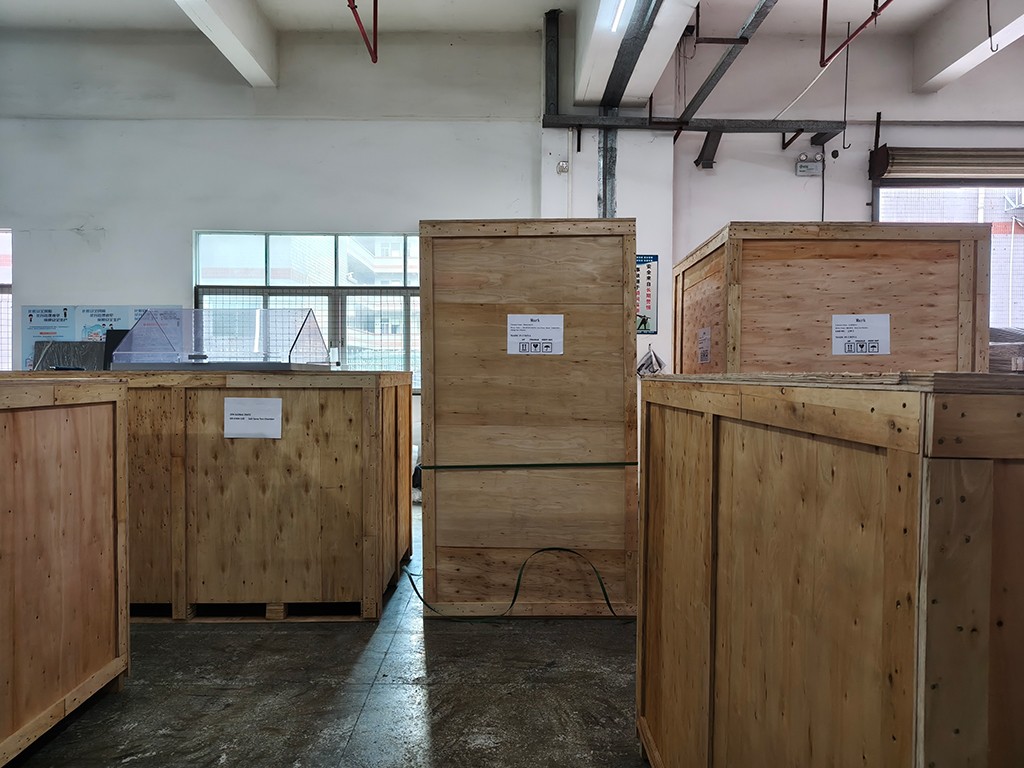
Production and Delivery: 15-20 days for standard models, 30-45 days for non-standard custom models.
Acceptance and Training: Engineers install and debug on-site and provide on-site training.