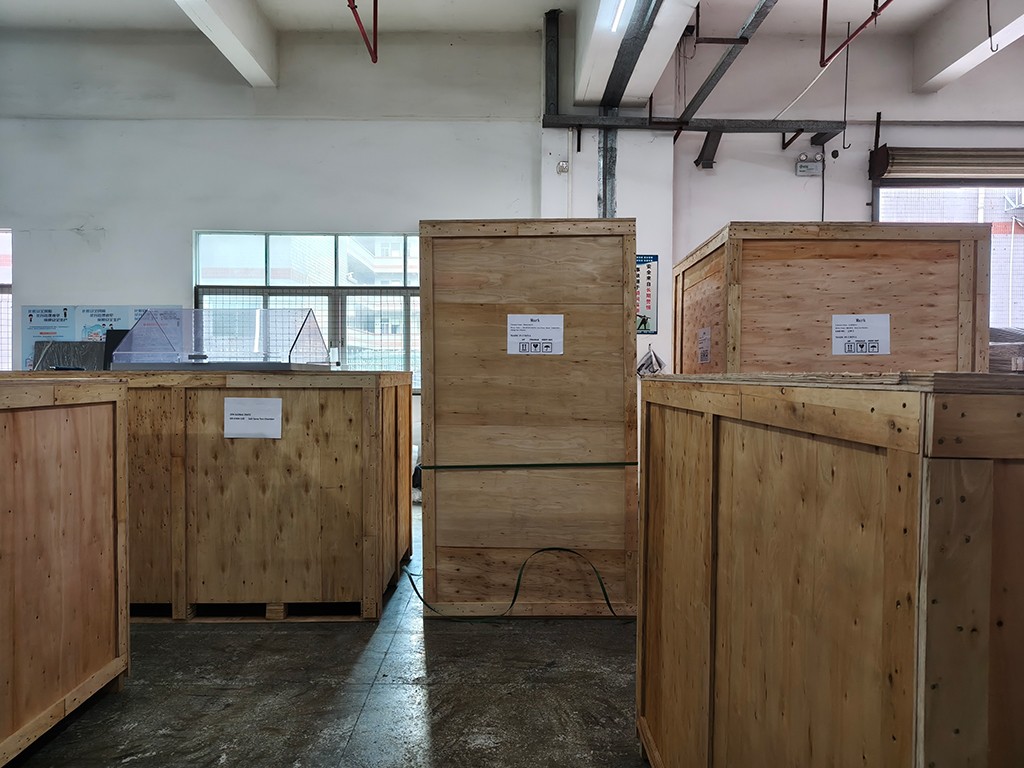
The electric scooter tire road condition testing machine is a multifunctional durability testing device specifically designed for electric scooter tires. By simulating the complex road conditions enco ...
The electric scooter tire road condition testing machine is a multifunctional durability testing device specifically designed for electric scooter tires. By simulating the complex road conditions encountered during real riding (bumpy roads, gravel roads, slippery surfaces, etc.), and combining dynamic loads, temperature and humidity changes, and high-frequency wear tests, it comprehensively verifies the tire's wear resistance, puncture resistance, grip, and structural durability. This equipment is widely used by tire manufacturers, vehicle manufacturers, quality inspection institutions, and research and development laboratories to ensure that products meet international standards such as ISO 4649, GB/T 533, and ASTM D5963, providing scientific guarantees for tire safety and user experience.
Application scope
It is used for dynamic durability tests of rollers on electric scooters, scooters, inline skates, and other products over obstacles, to simulate the reliability and safety of the products during actual use. The test conditions must meet the requirements of the standard for obstacle blocks, test speed, load, and test time.
Reference standard: GB/3565
Core functional modules
Multi-terrain Dynamic Simulation
Road Surface Replication System:
Roller Road Spectrum Simulation: Built-in modules for various road surfaces such as gravel, asphalt, and cobblestone (quickly interchangeable), simulating real friction and impact.
Dynamic Obstacle Testing: Adjustable height (5-50mm) protruding obstacles to verify the tire's impact resistance and deformation resistance.
Wet and Waterlogged Testing: Sprinkler system simulates rain and snow conditions to test the tire's water drainage performance and wet grip.
Dynamic Load and Temperature Control Testing
Load Simulation: Testing of the entire electric scooter or individual tires, with a vertical load range of 0-300kg (simulating different loads).
Temperature and Humidity Coupling: Optional temperature control chamber (-30°C to +80°C, humidity 10% to 95% RH) to verify the performance degradation of tires in extreme environments.
Intelligent Monitoring and Life Evaluation
Wear Measurement: Laser distance meter (accuracy ±0.01mm) for real-time monitoring of tread wear depth, generating wear rate curves.
Dynamic Grip Analysis: Six-axis force sensor measures the friction coefficient (μ value) between the tire and the road surface, assessing grip stability.
Structural Deformation Scanning: 3D optical scanner (optional) captures tire fatigue cracks and internal structural damage.
Core technologies and configurations
| Item | Parameter Range |
|---|---|
| Drum Diameter | φ700 mm (steel) |
| Obstacle | Steel, trapezoidal (size according to standard) |
| Drum Speed | 0.5 m/s ±5% |
| Load | 20–100 kg |
| Test Time | 1 min ~ 99 h 59 min |
| Test Bench | 1700×880×2050 mm |
| Control Cabinet | 370×350×910 mm |
| Weight | 1450 kg |
| Power Supply | AC 220 V, 15 A, 4 kW |
Product advantages
Technical Highlights
High-precision drive system: Servo motor + frequency conversion speed regulation, speed range 0~40 km/h (simulating the maximum speed of a scooter), speed control accuracy ±0.1 km/h.
Modular road surface system: Replaceable rollers (diameter 200~600mm) and road surface patches (sandpaper, rubber, metal mesh), suitable for 8~12-inch tires.
Safety protection: Fully enclosed protective cover, emergency stop, overload protection, in compliance with ISO 13849 mechanical safety standards.
Energy-saving design: Energy feedback technology recovers 25% of the energy during testing, standby power consumption < 200W.
Equipment Advantages
High efficiency and accuracy:
24-hour continuous testing is equivalent to 500 kilometers of actual riding, reducing the testing cycle by 80%.
Data repeatability error < ±1%, supports parallel testing of multiple tires (2~4 workstations available).
Comprehensive coverage:
Supports single tire testing and vehicle-mounted testing, compatible with pneumatic tires, solid tires, honeycomb tires, etc.
Expandable environmental simulation modules such as salt spray corrosion and ozone aging.
Cost optimization:
Accurately identify tire design defects, reducing after-sales claims and brand reputation risks.
Replace some road tests with laboratory tests, reducing R&D costs by more than 30%.
Standard compliance:
Built-in 20+ test procedures including ISO, ASTM, GB, etc., one-click generation of certification reports.
Application scenarios and industry value
Tire R&D: Optimize tread pattern design, rubber compound (such as high-elastic silicone rubber, wear-resistant composite materials), and internal cord structure.
Production quality inspection: Batch testing of tires before leaving the factory to screen out defects such as bubbles, delamination, and uneven wear.
Certification testing: Compulsory testing of tire durability and puncture resistance in standards such as CE, UL, and GB.
After-sales analysis: Reproduce defects and improve processes for user feedback issues such as blowouts and skidding.