Application scopeIt is used to simulate the fatigue test state of the brake handle of a scooter. Alternating force is applied to a fixed brake handle. After a certain number of cycles, the damage cond ...
Application scope
It is used to simulate the fatigue test state of the brake handle of a scooter. Alternating force is applied to a fixed brake handle. After a certain number of cycles, the damage condition is detected. The fatigue test cycle of the brake handle during braking is set. The machine will automatically stop when the set number of cycles is reached or the test piece is damaged, and the test results will be retained.
Reference standard: GB/3565
Core functional modules
Multi-dimensional Brake Testing
Static Clamping Force Test: Measures the clamping force between the brake pad and the wheel hub/disk (0~2000N, accuracy ±0.5% FS) to verify the relationship between braking torque and handle force.
Dynamic Friction Performance Test: Simulates high-speed braking (wheel speed 0~50km/h adjustable), and monitors the friction coefficient, temperature rise curve, and brake pad wear in real time.
High-frequency Fatigue Test: Sets the brake lever press frequency (1~20 times/second) and cycle count ≥ 100,000 times to detect spring fatigue, cable breakage, or hydraulic oil leakage risks.
Environmental Coupling and Extreme Testing
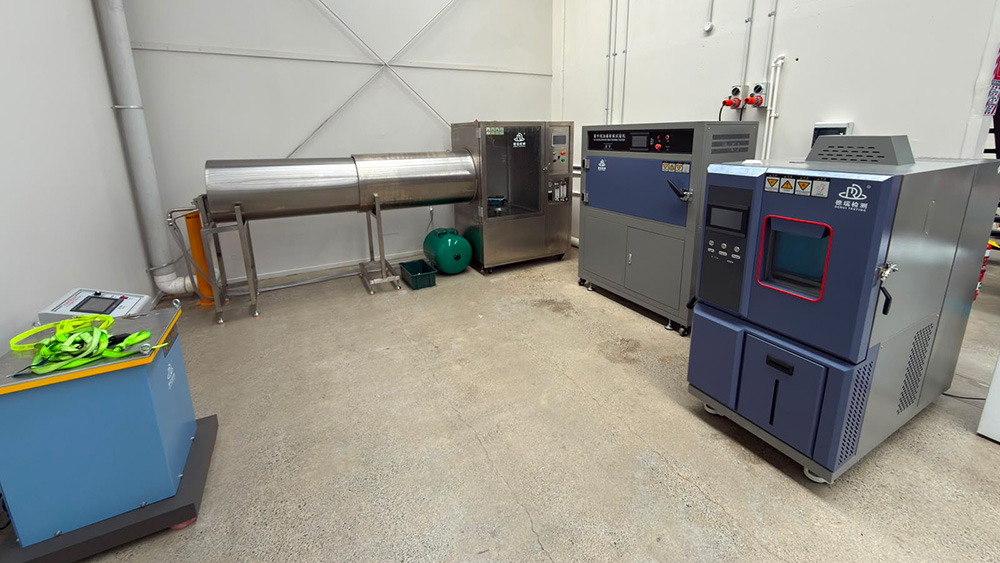
Temperature and Humidity Simulation: Optional high and low temperature chamber (-40℃~+120℃, humidity 10%~95% RH) to verify the friction performance degradation of brake pads in humid and high-temperature conditions.
Dust and Water Ingress Test: Spraying system simulates harsh road conditions to test the dust and water resistance of the brake system (IP rating verification).
Intelligent Monitoring and Diagnosis
Real-time Multi-parameter Acquisition: Monitors braking force (accuracy ±0.5% FS), braking distance (laser ranging ±1mm), temperature (infrared thermal imager ±0.5℃), and vibration spectrum.
Failure Warning: AI algorithm analyzes data anomalies (such as sudden drop in friction coefficient, delayed brake lever reset), automatically stops the machine and generates a fault report.
Data Traceability: Automatically generates test reports (PDF/Excel), supports QR code binding and integration with MES/ERP systems.
Core technologies and configurations
| Item | Parameter Range |
|---|---|
| Max Braking Force | 2000 N (expandable to 5000 N) |
| Wheel Speed Simulation Range | 0~50 km/h (accuracy ±0.1 km/h) |
| Test Frequency | 1~20 Hz (sine wave / random wave) |
| Temperature Control Range | -40℃ ~ +120℃ (optional) |
| Data Sampling Frequency | 1000 Hz (dynamic parameters) / 100 Hz (full parameters) |
| Overall Dimensions (LWH) | 900×900×1500 mm |
| Power Supply | AC 220 V, 50 Hz, 3 A, 1000 W (or as specified) |
| Operation & Safety Features | Mount the specimen on the test bench fixture;Adjust loading position and direction for different specimens;Set test cycles and test force on the display according to standards;Press test key to start, adjust pressure relief valve based on actual peak value;Machine stops automatically when set cycles are reached;Equipped with safety micro switch for automatic shutdown if specimen is damaged;Inspect front fork integrity after test and judge qualification per standards |
Product advantages
Technical Highlights
High-precision loading system: Servo motor + torque sensor closed-loop control, force value resolution 0.01N, dynamic response ≤ 5ms.
Modular design: Quick fixture replacement (compatible with V-brake, disc brake, drum brake, and electronic brake), compatible with wheel diameters of 10 to 26 inches.
Safety protection: Explosion-proof test chamber, overload protection, emergency stop, in compliance with ISO 13849 (PLc level) mechanical safety standards.
Energy-efficient and high-performance: Energy feedback technology recovers 35% of the energy during testing, standby power consumption < 150W.
Equipment Advantages
High efficiency and accuracy: Single brake performance test ≤ 3 minutes, data repeatability error < ±1%.
Comprehensive coverage: Supports testing of mechanical, hydraulic, and electronic braking systems, compatible with over 20 international standards including ISO, EN, and GB.
Cost optimization: Shortens the R&D cycle by 60% through accelerated life testing, reduces real vehicle road test costs.
Standard compliance: Built-in test programs generate certification reports with one click, facilitating global market access.
Application scenarios and industry value
Production quality inspection: Performance screening of brake systems before leaving the factory (braking torque, consistency of handle travel).
Research and development verification: Optimization of brake pad materials (ceramic/metal sintering), high-temperature resistance of hydraulic oil, and ergonomic design of brake handles.
Certification testing: Compulsory testing items for braking distance and fatigue life in standards such as CE, CPSC, and GB.
After-sales analysis: Reproduction and improvement of defects such as abnormal brake noise and insufficient braking force reported by users.
After-sales Service
Warranty Policy: Most manufacturers offer a one-year full machine warranty, supporting remote fault diagnosis and operation training.
Customization Service: Customization based on requirements, including custom fixtures and software functions according to testing standards (such as JIS/CNS) to meet special needs.
After-sales Service: One-year full machine warranty, providing operation training and remote technical support.
Data Service: Optional cloud data platform for generating CNAS-compliant test reports remotely.
Technical Support: Free remote debugging, operation training, and annual equipment calibration services.
Spares Supply: Quick replacement service for consumable parts (fixtures, hydraulic seals).
Ordering Process
Requirement Communication: Provide test standards and relevant parameters.
Plan Confirmation: The supplier provides 3D drawings and parameter lists.
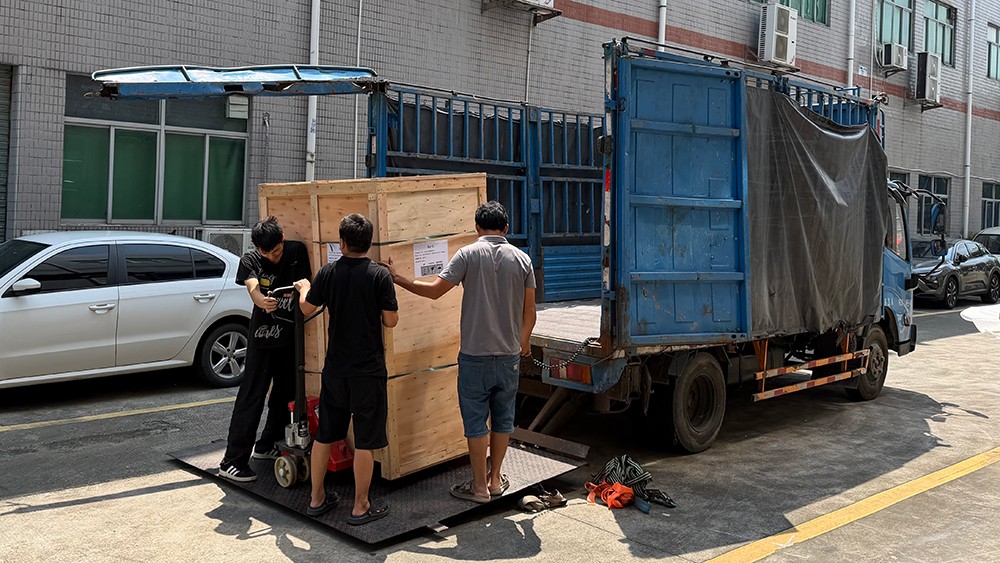
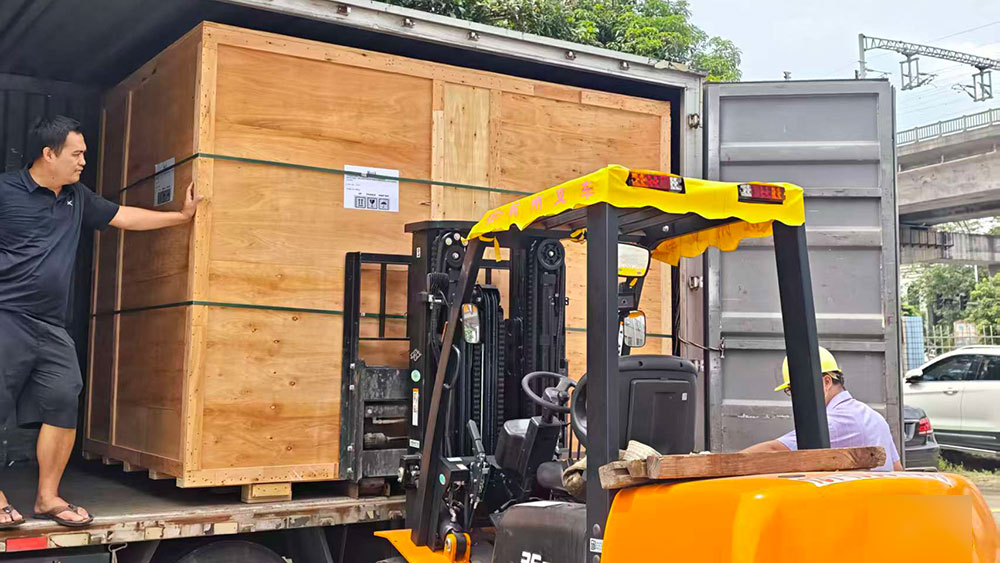
Production and Delivery: 15-20 days for standard models, 30-45 days for non-standard custom models.
Acceptance and Training: Engineers install and debug on-site and provide on-site training.