The frame vibration test machine (dual vibration system) is a multi-axis composite vibration testing device specifically designed for the frame structures of automobiles, motorcycles, electric vehicle ...
The frame vibration test machine (dual vibration system) is a multi-axis composite vibration testing device specifically designed for the frame structures of automobiles, motorcycles, electric vehicles, etc. By simultaneously applying lateral (X/Y axes) and vertical (Z axis) bidirectional vibration loads, it accurately simulates the jolts, impacts, and high-frequency vibrations of real roads, comprehensively verifying the fatigue life, weld strength, modal characteristics, and resonance risks of the frame. This equipment is widely used in vehicle manufacturing, component production, R&D laboratories, and certification institutions to ensure that the frame complies with international standards such as ISO 16750, GB/T 31467.3, and ASTM E756, providing scientific guarantees for vehicle safety and durability.
Application scope
Designed to simulate the vertical vibration test standards for scooter frames, the scooter frame is fixed on the fixture of this test machine and subjected to fatigue loading of a certain frequency, load, and test cycle.
Reference standards: JIS D9401 5.0 GB17761
Core functional modules
Dual-axis composite vibration test
Multi-degree-of-freedom loading: Simultaneous superposition of X/Y-axis horizontal vibration (frequency 1~200Hz, acceleration 0~50g) and Z-axis vertical vibration (frequency 1~100Hz, acceleration 0~30g) to simulate complex road conditions.
Random/sinusoidal wave combination: Supports sinusoidal sweep, random vibration and road spectrum reproduction (import actual measured road spectrum data), covering urban, off-road, high-speed and other driving scenarios.
Intelligent environmental coupling test
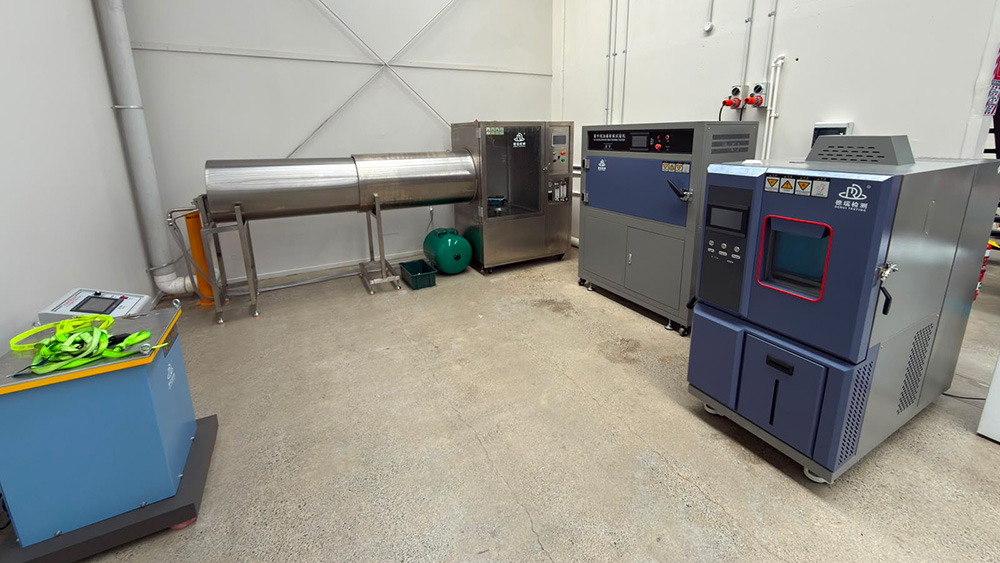
Temperature and humidity simulation: Optional high/low temperature chamber (-40℃~+120℃, humidity 10%~95% RH) to verify the impact of temperature stress on frame fatigue.
Salt spray corrosion test: Salt spray is sprayed according to ASTM B117 standard to test the anti-corrosion performance of frame welding points and metal parts.
High-precision data monitoring and analysis
Dynamic parameter acquisition: Real-time monitoring of frame strain (accuracy ±0.5% FS), displacement (±0.01mm), and vibration acceleration (±1% FS), generating fatigue damage cloud map and S-N curve.
Modal analysis: Identify the natural frequency, mode shape and damping ratio of the frame through an impact hammer or shaker (optional) to optimize structural design.
Failure warning: AI algorithm analyzes stress concentration areas, predicts crack propagation trends and triggers shutdown protection.
Core technologies and configurations
| Item | Parameter Range |
|---|---|
| Load | 85 kg or specified |
| Applicable Frame Wheel Range | 500–1200 mm |
| Eccentric Cam | 25.4 mm |
| Power Source | Dual vibration (2 DC motors) |
| Vibration Amplitude | 0–25 mm |
| Test Frequency | 6–10 Hz adjustable |
| Test Speed | 0–100 RPM |
| Electrical Control | Traditional (Omron, Schneider, etc.) 6-digit counter, adjustable vibration cycles |
| Main Machine Dimensions (W×D×H) | 2200×700×1900 mm |
| Control Box Dimensions (L×W×H) | 370×350×910 mm |
| Weight | Approx. 320 kg |
| Power Supply | AC 380 V, 15 A |
| Weight (Load) | 75 kg |
Product advantages
Technical Highlights
Dual Oscillation Synergistic Control: Independent servo electric cylinders + electromagnetic vibration table composite drive, phase synchronization error ≤ 0.1°, frequency response ≤ 5ms.
Modular Expansion: Compatible with frame sizes of sedans, motorcycles, electric vehicles, etc. (length ≤ 5m, width ≤ 2.5m), quick replacement of fixtures and sensor layout.
Safety Protection: Multiple mechanical limits, overload protection, emergency stop, meeting ISO 13849 PLd safety level.
Energy-saving and Efficient: Energy feedback technology can recover 30% to 50% of vibration energy, reducing overall energy consumption by 40%.
Equipment Advantages
High Efficiency and Precision: Dual-station synchronous testing (optional), efficiency increased by 200%, data repeatability error < ±1%.
Comprehensive Coverage: Supports static stiffness testing, dynamic fatigue loading, and environmental coupling tests (vibration + temperature and humidity + salt spray).
Cost Optimization: Reduces prototype vehicle road test costs and R&D cycles through precise life prediction.
Standard Compliance: Built-in test programs such as ISO 16750 and IEC 60068-2-64, directly generating certification reports.
Application scenarios and industry value
Automotive industry: Fatigue life verification and lightweight design optimization of the body-in-white and subframes of the chassis.
Motorcycle manufacturing: High-frequency vibration endurance testing of aluminum alloy/carbon fiber frames.
New energy sector: Vibration safety and structural resonance avoidance of electric vehicle battery frames.
Research and development laboratories: Comparative studies on the dynamic characteristics of new materials (magnesium alloys, composite materials) frames.
After-sales Service
Warranty Policy: Most manufacturers offer a one-year full machine warranty, supporting remote fault diagnosis and operation training.
Customization Service: Customization based on requirements, including custom fixtures and software functions according to testing standards (such as JIS/CNS) to meet special needs.
After-sales Service: One-year full machine warranty, providing operation training and remote technical support.
Data Service: Optional cloud data platform for generating CNAS-compliant test reports remotely.
Technical Support: Free remote debugging, operation training, and annual equipment calibration services.
Spares Supply: Quick replacement service for consumable parts (fixtures, hydraulic seals).
Ordering Process
Requirement Communication: Provide test standards and relevant parameters.
Solution Confirmation: The supplier provides 3D drawings and parameter lists.
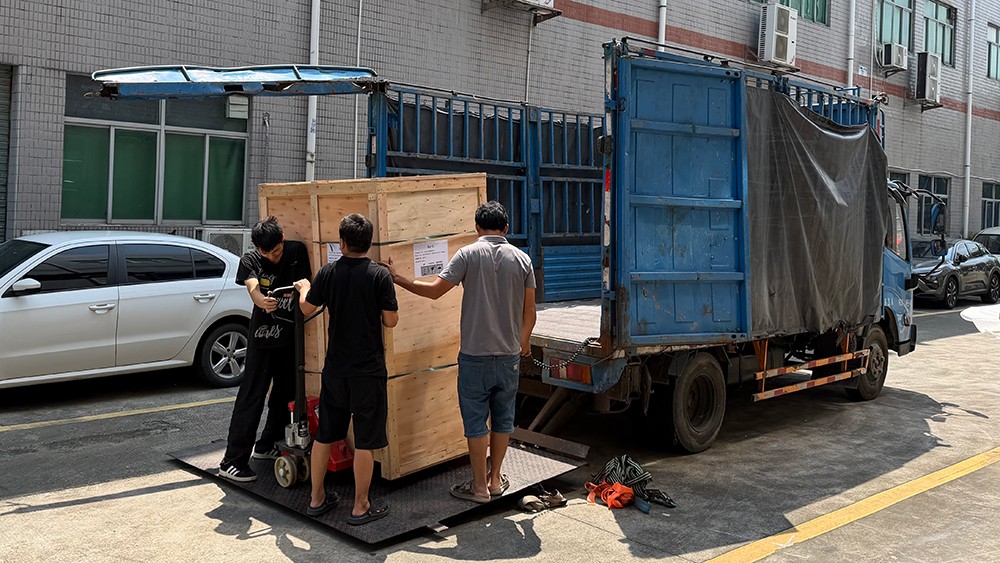
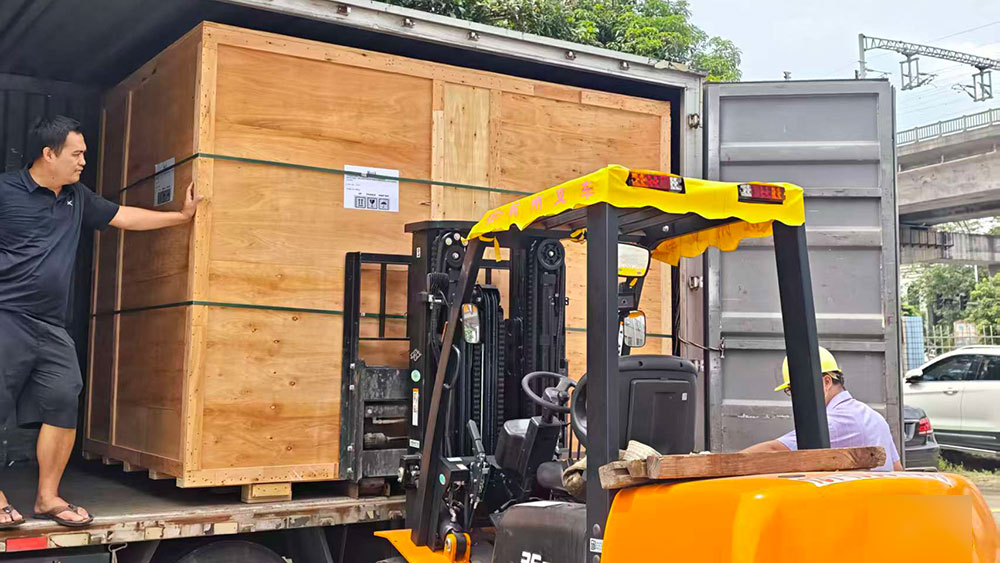
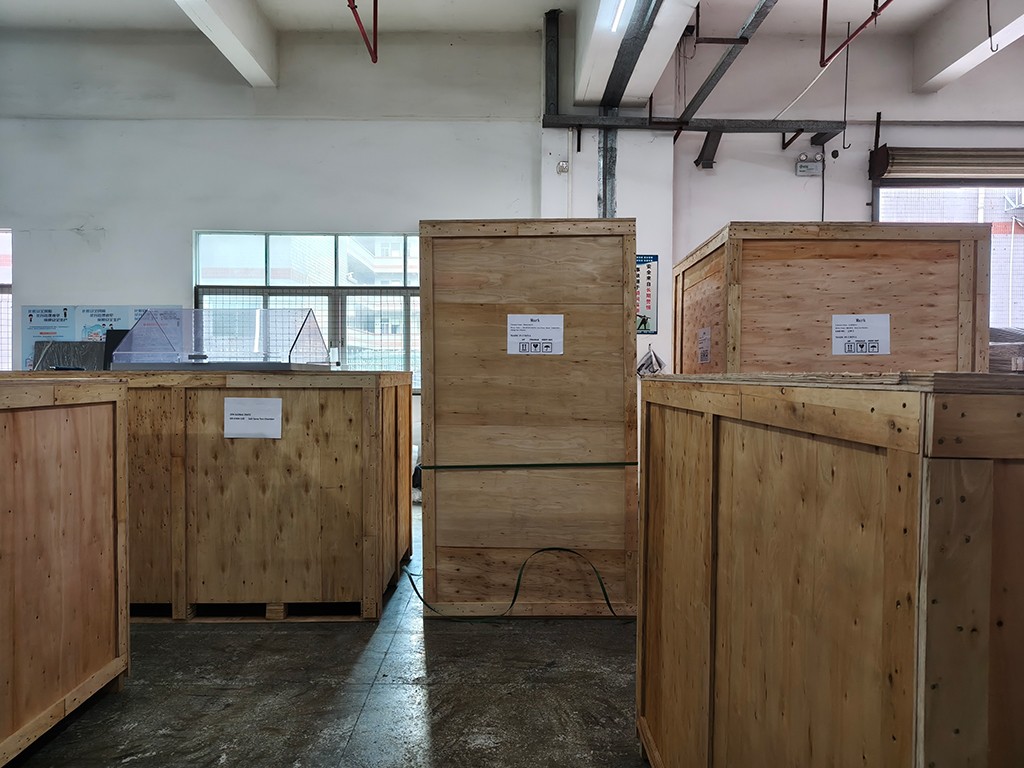
Production and Delivery: 15-20 days for standard models, 30-45 days for non-standard custom models.
Acceptance and Training: Engineers will install and debug on-site and provide training.