The castor brake life testing machine is mainly used to test the durability of castor brakes. It uses two cylinders, one to control the opening of the brake and the other to control the closing of the ...
The castor brake life testing machine is mainly used to test the durability of castor brakes. It uses two cylinders, one to control the opening of the brake and the other to control the closing of the brake, to detect the service life of the castor brake at different frequencies.
Function Description
1) Detect the service life of the castor brake. The brake is opened and closed by a cylinder. The number of tests can be set to determine the service life of the brake.
2) Adjustable frequency and number of tests. The frequency can be controlled by adjusting the air flow and time of the air valve. The maximum number of tests can be set to 99,999. The machine will automatically stop when the set number of tests is reached.
Test Items
High-frequency braking life test
Dynamic braking simulation:
1. Set the braking frequency to 1-20 times per minute, with a maximum load of 2 tons per station, to simulate the frequent braking scenarios of forklifts, shelves, and other equipment.
2. Test the wear of the brake pads (accuracy ±0.01mm), the braking force attenuation curve, and the reset performance of the braking mechanism.
Multi-mode testing: Static friction braking (locking force test), dynamic rolling braking (slip rate analysis), covering all working condition verification requirements.
Extreme environment coupling test
Temperature and humidity cycle (optional): Temperature range -40°C to +80°C, humidity 10% to 95% RH, to verify the risk of thermal aging of plastic brake parts and rusting of metal parts.
Dust/mud and water intrusion test (optional): Simulate warehouse dust and outdoor muddy environments to test the dust and water resistance performance of the braking system (IP rating verification).
Intelligent monitoring and diagnosis
Real-time multi-parameter collection: Braking force (range 0-10kN, accuracy ±0.5% FS), brake displacement (laser distance measurement ±0.01mm), temperature (infrared thermal imager ±1°C).
Failure warning system:
1. AI algorithm analyzes the fluctuations in braking force, abnormal sound spectrum, and sudden temperature rise to predict the risk of brake pad cracking or spring failure.
2. Data traceability: Automatically generate PDF/Excel reports (including wear curves and thermal imaging maps), supporting integration with MES systems.
Core technologies and configurations
| Item | Parameter Range |
|---|---|
| Test Cycles | Max. 99999 cycles programmable, auto stop after completion |
| Caster Mounting Size | 50–250 mm |
| Cylinder Structure | Position and angle adjustable for different products, economical and practical |
| Max Cylinder Force | 200 kg, adjustable |
| Reciprocating Cycle | 10–30 cycles/min, adjustable |
| Product Clamping Bolt | 100 mm height adjustable |
| Product Fixture | Customized according to samples |
| Power Brake Source | Angle and front-rear position adjustable for different products |
| Control Mode | Any single fixture or simultaneous operation available |
| Speed Control | Timing control |
| Brake Force | Adjustable |
| Equipment Dimensions (LWH) | 600×580×460 mm |
| Power Supply | 220 V, 50 Hz, 150 W |
Product Advantages
Technical Highlights
High-Precision Loading System:
1. Servo hydraulic drive + force sensor closed-loop control, braking force control accuracy ±0.5%, dynamic response ≤ 5ms.
2. Modular fixtures (compatible with wheel diameters 100~500mm casters), quick change of test fixtures.
Environmental Simulation Expansion: Optional salt spray corrosion module (ASTM B117), vibration table (5~500Hz random vibration), enabling multi-factor coupling tests.
Safety Protection:
1. Explosion-proof test chamber (pressure resistance ≥ 3MPa), mechanical limit, emergency stop button, meeting ISO 13849 (PLd level) safety standards.
2. Automatic fire extinguishing system (CO₂/inert gas), to deal with unexpected fires caused by braking high temperatures.
Equipment Advantages
High Efficiency and Precision:
1. 100,000 braking tests at a single station can be completed within 7 days, with data repeatability error < ±1%.
2. Supports dual-station parallel testing (optional), efficiency increased by 100%.
Comprehensive Coverage:
1. Compatible with light (50kg) to super heavy (2 tons) casters, including foot brakes, wheel brakes, and overall locking mechanisms.
2. Expandable static load pressure test (vertical crush test).
Cost Optimization:
1. Reduces after-sales maintenance costs by over 60% through early defect interception.
2. Laboratory testing replaces outdoor scene verification, reducing overall costs by 50%.
Standard Compliance: Built-in 20+ test procedures including ISO, GB, DIN, etc., one-click generation of certification reports.
Application Scenarios and Industry Value
Industrial Caster Production: Pre-delivery brake life testing for heavy-duty forklifts and warehouse shelf casters.
Medical Device Industry: Low-noise braking durability verification for operating table and hospital bed casters.
Research and Development Laboratories: Optimization of brake pad materials (ceramic, sintered metal), spring return mechanisms, and dust-proof designs.
Certification Testing: Compulsory testing items such as ISO 22883 brake life and DIN 15106 anti-slip performance.
After-sales Service
Warranty Policy: Most manufacturers offer a 1-year full machine warranty, supporting remote fault diagnosis and operation training.
Customization Service: Customization based on requirements, including custom fixtures and software functions according to testing standards (such as JIS/CNS) to meet special needs.
After-sales Service: 1-year full machine warranty, providing operation training and remote technical support.
Data Service: Optional cloud data platform for generating CNAS-compliant test reports remotely.
Technical Support: Free remote debugging, operation training, and annual equipment calibration services.
Spares Supply: Quick replacement service for consumable parts (fixtures, hydraulic seals).
Ordering Process
Requirement Communication: Provide testing standards and relevant parameters.
Solution Confirmation: Supplier provides 3D drawings and parameter lists.
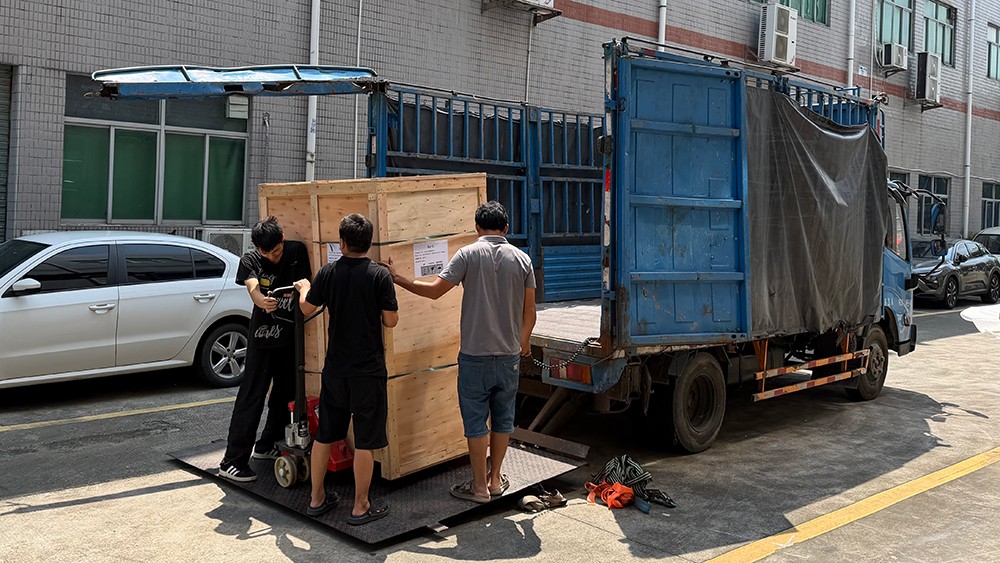
Production and Delivery: 15-20 days for standard models, 30-45 days for non-standard customized models.
Acceptance and Training: Engineers install and debug on-site and provide on-site training.