The scooter handlebar comprehensive fatigue testing machine is a high-precision durability testing device specifically designed for the handlebar systems of electric and non-electric scooters. By simu ...
The scooter handlebar comprehensive fatigue testing machine is a high-precision durability testing device specifically designed for the handlebar systems of electric and non-electric scooters. By simulating multi-dimensional force scenarios during riding (turning, twisting, vertical load), combined with high-frequency cyclic loading, environmental coupling, and impact tests, it comprehensively verifies the fatigue strength, reliability of welding points, material durability, and control stability of the handlebar structure, folding mechanism, and grip kit. This equipment is widely used in scooter manufacturing, quality inspection centers, R&D laboratories, and export certification fields to ensure that products comply with international safety standards such as CE EN 14619, CPSC 16 CFR Part 1500, and GB/T 17761, reducing the riding risks caused by handlebar failure.
Application scope
Designed to simulate the vertical vibration test standard of the scooter frame, the scooter frame is fixed on the fixture of this testing machine and subjected to fatigue loading of a certain frequency, load, and test cycle.
Core functional modules
Multi-dimensional Dynamic Loading Test
Steering Fatigue Test: Simulate high-frequency steering actions (±90°, frequency 1-10Hz), with a cycle count of ≥500,000 times, to detect welding cracks at the handlebar root and the risk of loosening of folding locks.
Vertical Load Test: Apply 0-1000N dynamic pressure (simulating the impact of human weight) to verify the handlebar's bending strength and deformation recovery capability.
Torsional Durability Test: ±30N·m torque cyclic loading to detect metal fatigue and thread slippage risks at the connection between the handlebar and the stem.
Environmental Coupling and Impact Test
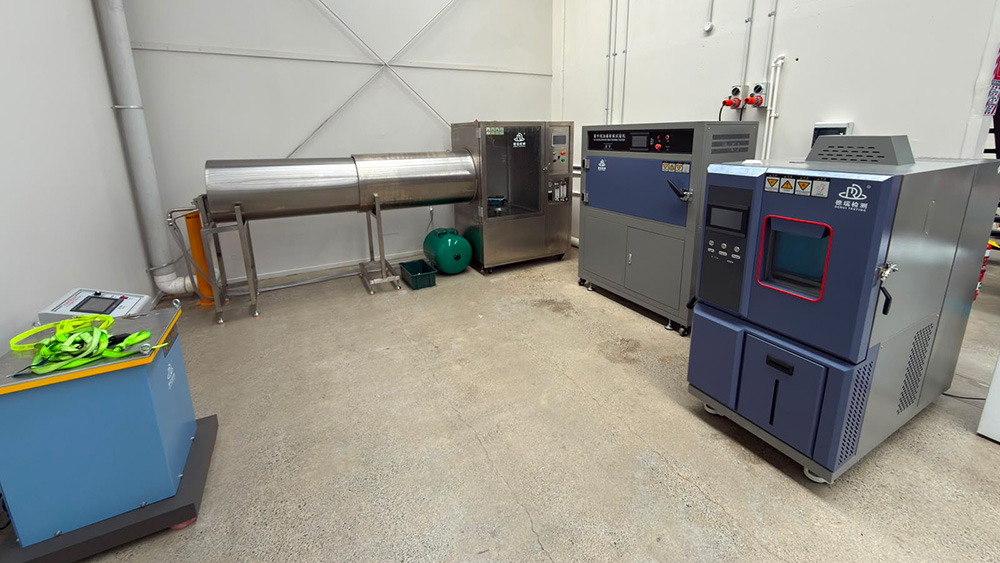
Temperature and Humidity Simulation: Optional high and low-temperature chambers (-30°C to +80°C, humidity 10% to 95% RH) to verify the risk of plastic handlebar brittleness or metal structure deformation in extreme environments.
Impact Test: Simulate accidental impacts with an instantaneous impact force of 500N and a pulse width of 5ms to detect the risk of handlebar breakage.
Intelligent Monitoring and Diagnosis
Real-time Data Acquisition: Monitor torque (accuracy ±0.5% FS), displacement (±0.01mm), and strain (±0.5% FS), generating fatigue damage curves and life prediction models.
Abnormal Sound and Failure Warning: Acoustic sensors capture frictional abnormal sounds, and AI algorithms analyze torque fluctuation characteristics to predict crack risks and automatically stop the machine.
3D Deformation Analysis: (Optional) Laser scanner captures the expansion path of micro-cracks, generating a three-dimensional damage map.
Core technologies and configurations
| Item | Parameter Range |
|---|---|
| Force Units | 4 interchangeable units: kg, lb, N, kN |
| Max Frequency | 20 Hz |
| Max Working Amplitude | 100 mm |
| Test Force Accuracy | 1/200000 |
| Counter | 0 – 999,999 counts |
| Frequency Range | 1 – 15 Hz adjustable |
| Load Cell for Fatigue Test | 50 – 500 kg |
| Overall Dimensions (L×W×H) | 1730×750×1650 mm |
| Weight | 420 kg |
| Power Supply | AC 220 V, 15 A |
| Air Supply Requirement | Dry air supply of 7 kg/cm² required |
Product advantages
Technical Highlights
High-precision loading system: Closed-loop control with servo motor and torque sensor, torque resolution of 0.01 N·m, frequency response ≤ 5 ms.
Modular design: Quick fixture change (compatible with T-type handlebars, folding handlebars, and one-piece handlebars), suitable for 4 to 12-inch diameter scooters.
Safety protection: Fully enclosed protective cover, overload protection, emergency stop, compliant with ISO 13849 mechanical safety standards.
Energy-efficient and high-performance: Energy recovery technology recovers 30% of the energy during testing, standby power consumption < 150 W.
Equipment Advantages
High efficiency and accuracy: 500,000 cycle tests can be completed within 72 hours, with data repeatability error < ±1%.
Comprehensive coverage: Supports static strength, dynamic fatigue, and environmental coupling (temperature, humidity, and shock) composite testing.
Cost optimization: Early exposure of design flaws, reducing recall risks and after-sales costs.
Standard compliance: Built-in test programs such as EN 14619 and ISO 12107, directly generating certification reports.
Application scenarios and industry value
Production quality inspection: Batch fatigue testing of handlebars before leaving the factory to screen out potential hazards such as welding defects and uneven material.
Research and development verification: Optimization of handlebar materials (aluminum alloy/carbon fiber), wall thickness design of hollow tubes, and locking force of folding mechanisms.
Certification testing: Compulsory durability testing of handlebars in certifications such as CE and CPSC.
After-sales analysis: Reproduction of defects and process improvement for user feedback on handlebar breakage and abnormal noise.
After-sales Service
Warranty Policy: Most manufacturers offer a one-year full machine warranty, supporting remote fault diagnosis and operation training.
Customization Service: Customization based on requirements, including custom fixtures and software functions according to testing standards (such as JIS/CNS) to meet special needs.
After-sales Service: One-year full machine warranty, providing operation training and remote technical support.
Data Service: Optional cloud data platform for generating CNAS-compliant test reports remotely.
Technical Support: Free remote debugging, operation training, and annual equipment calibration services.
Spares Supply: Quick replacement service for consumable parts (fixtures, hydraulic seals).
Ordering Process
Requirement Communication: Provide test standards and relevant parameters.
Plan Confirmation: The supplier provides 3D drawings and parameter lists.
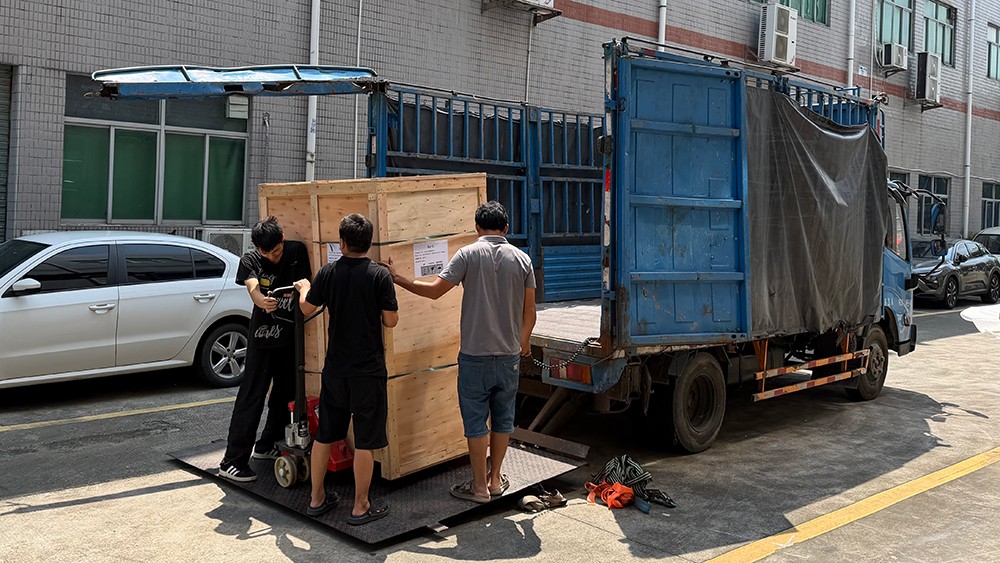
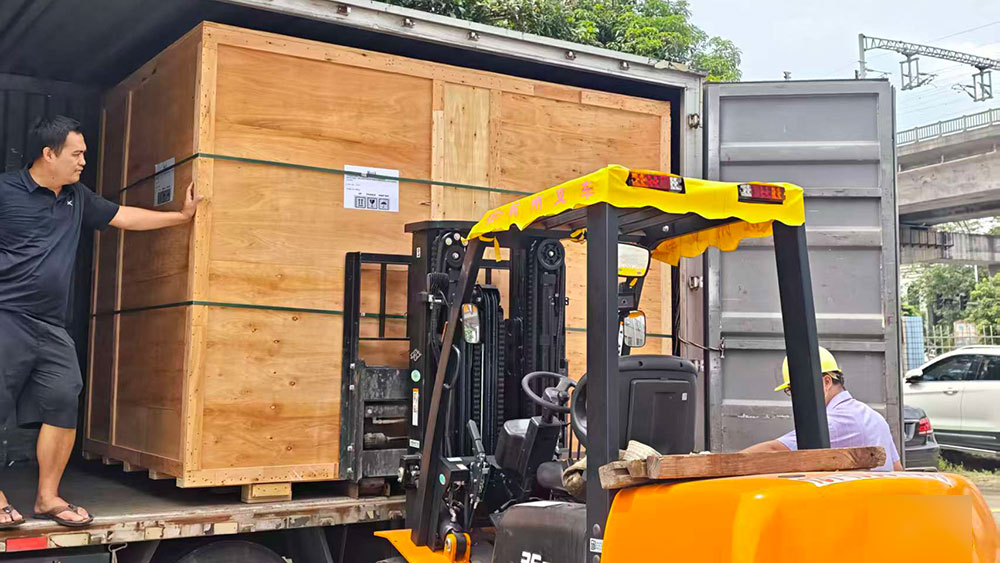
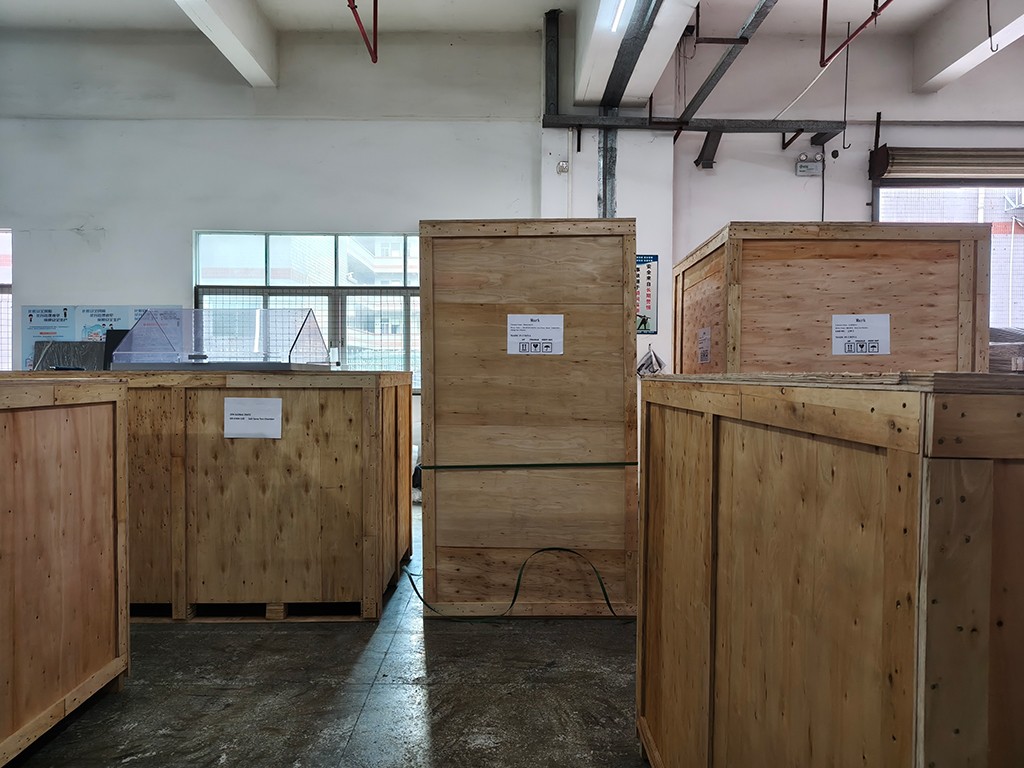
Production and Delivery: 15-20 days for standard models, 30-45 days for non-standard custom models.
Acceptance and Training: Engineers will install and debug on-site and provide training.