The electric bicycle and balance vehicle dual-purpose test bench is a specialized device designed for hybrid production lines or comprehensive testing institutions. It integrates a mechanical structur ...
The electric bicycle and balance vehicle dual-purpose test bench is a specialized device designed for hybrid production lines or comprehensive testing institutions. It integrates a mechanical structure and a measurement and control system to simultaneously test the performance of two completely different types of products: electric bicycles (including scooters) and balance vehicles (including two-wheeled scooters and unicycles).
Technical parameters
| Parameter | Specification |
|---|---|
| Individual Motor Load End Torque Range | 0–100 N·m |
| Load Test Speed Range | 0–65 km/h |
| Load Operation Time | Settable |
| Cycle Period | Settable |
| Torque Sampling Time | 100 ms – 99 s |
| Speed Measurement Accuracy | ± (1% of FS reading + 2 digits) |
| Torque Measurement Accuracy | ± (1% of FS reading + 2 digits) |
| Voltage / Current | 100V, 60A |
| Overall Dimensions (L×W×H) | 2450 × 4626 (including ramp) × 2630 mm |
| Power Supply Voltage | AC 380V / 50Hz |
| Power Consumption | 30 kW |
Core Functions
1. Power Performance and Range Testing
Electric Bicycles: Supports maximum speed (0-80 km/h), torque (0-100 N·m), climbing resistance (0-25 N·m), and range detection. Utilizes a dual roller system to simulate flat and obstacle road conditions, calculating the power consumption per 100 km (≤1.2 kWh).
Self-Balancing Scooters: Integrates a range and energy consumption testing module, simulating dynamic balance based on gyroscopes and accelerometers to verify range and energy recovery efficiency (patent technology reference).
2. Safety and Braking Performance
Dry/Wet Braking Tests: Equipped with a spray system (flow rate 5 ml/s), measures braking distance (dry ≤ 4 m, wet ≤ 15 m) and deceleration, supporting dual trigger modes for pedal force (0-1000 N) and handbrake force (0-500 N).
Self-Balancing Scooter Stability Testing: Conducts load impact tests (load 0-50 kg) to verify the frame's impact resistance and emergency stop response speed.
3. Road Condition Simulation and Durability
Roller System: Dual rollers with adjustable diameters of 320-760 mm, equipped with 15-25 mm impact blocks on the surface to simulate bumpy and gravel roads; supports wheelbase adjustment from 800-1400 mm to accommodate different models.
Cyclic Loading Test: Can be set for 0-999,999 cycles to simulate the fatigue life of the motor, battery, and frame after long-term use.
4.Intelligent Data Acquisition
Multi-sensor Integration: Torque sensor (±0.2% accuracy), GPS speed measurement module (0.01 km/h resolution), current/voltage monitoring (0-600 V, 0-2 A), generating real-time efficiency curves and energy consumption reports.
5.Software System
Based on Windows or touchscreen interface, supports data export in accordance with UL 2849 (electric bicycles) and UL 2272 (self-balancing scooters) standards, meeting the certification requirements of platforms such as Amazon.
Applicable Standards
Electric Bicycles: GB 17761-2024, EN 15194 (mainly referring to the electrical parts).
Self-balancing scooters: GB/T 34667 (General Technical Conditions), GB/T 34668 (Safety Requirements), UL 2272 (Electrical System Safety).
Ordering Process
Requirement Communication: Provide test standards and relevant parameters.
Plan Confirmation: The supplier provides 3D drawings and parameter lists.
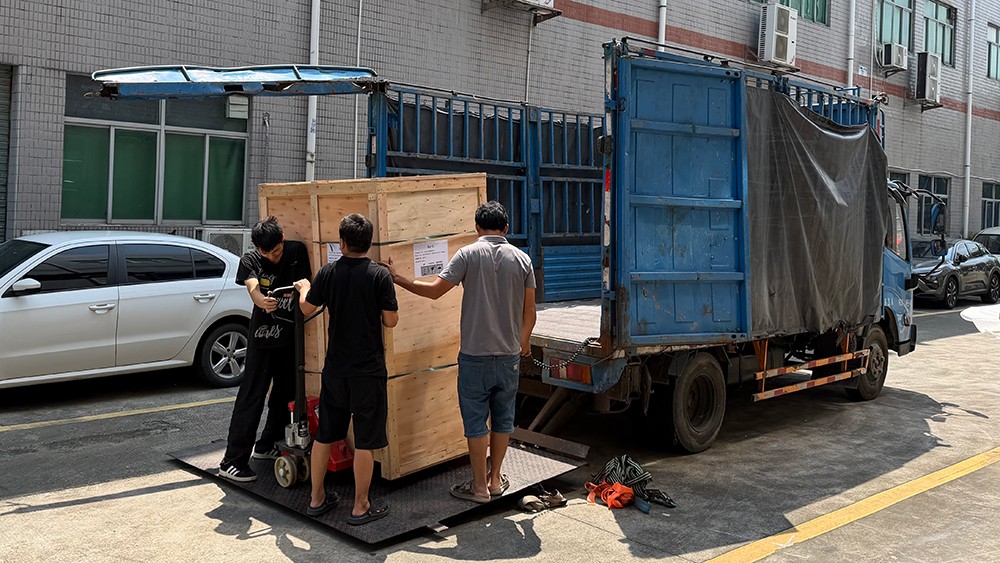
Production and Delivery: 15-20 days for standard models, 30-45 days for non-standard custom models.
Acceptance and Training: Engineers install and debug on-site and provide on-site training.